Freelancers invoicing overseas clients, merchants settling daily checkouts, and families sending remittances all face the same problem: moving dollar value across borders without bank delays. Tether circulation reached roughly $183.8 billion across 14+ blockchains in October 2026, and the token settled an estimated $13.3 trillion in 2025. The same $100 can cost $4 or a fraction of a cent to move, since every USDT network runs as a separate rail with its own fees and confirmation times.
The best network for USDT transfer in 2026 is Tron (TRC-20), and the supply data explains the choice. It hosts about $92.4 billion of Tether, roughly half of all circulating supply, and practically every exchange, wallet, and gateway accepts TRC-20 deposits. Transfers confirm in about one minute, fees stay predictable regardless of congestion, and governance proposal #104 cut transfer costs by roughly half in August 2025.
Here is a USDT network list for 2026:
- Tron (TRC-20)
- Ethereum (ERC-20)
- BNB Smart Chain (BEP-20)
- Solana (SPL)
- The Open Network (TON)
What USDT Networks Need to Handle for Payments
Everyday Tether transfers look nothing like exchange trading. A freelancer collects a $120 invoice, a store settles two hundred small checkouts per day, and a remittance sender moves $60 across a border before lunch. The rail carrying those transfers has to keep up with all three flows.
Key requirements include:
- Low costs. Per-transfer fees matter most for small payments.
- Fast confirmation. Quick settlement reduces abandoned checkouts and support requests.
- Broad acceptance. Support across wallets, exchanges, and gateways.
- Easy conversion. Access to fiat off-ramps and asset swaps.
- Predictable fees. Stable costs without sudden network spikes.
- Clear addresses. Reduce wrong-chain transfers and lost funds.
How We Ranked the Best Network for USDT Payments
Our comparison evaluates the properties that decide whether a chain works as a rail or only as a trading venue. We measured transfer cost, settlement speed, acceptance, and reliability, because those four factors separate the best network for USDT transfers from a chain that merely hosts the token.
- Transfer Cost: 30-day median on-chain fees (Sep 22–Oct 21, 2026) and exchange withdrawal costs.
- Speed: Block times and actual settlement finality.
- Acceptance and Liquidity: Share of $183.8B supply, exchange, wallet, and gateway support.
- Reliability: Fee stability, uptime, and settlement track record.
| Feature | 1. Tron (TRC-20) | 2. Ethereum (ERC-20) | 3. BNB Smart Chain (BEP-20) | 4. Solana (SPL) | 5. The Open Network (TON) |
|---|---|---|---|---|---|
| Supply | $92.4B (~50%) |
$73.6B (~40%) |
$9.2B (~5%) |
$2.7B (~1.5%) |
~$1B (est.) |
| Median Transfer Fee | ~2.15 burn / <1.30 rented |
~$0.12 | ~$0.002 | ~0.001 (+~0.18 first-time rent) |
~$0.002 |
| Finality | ~1 minute | ~13 minutes | <2 minutes | ~12.8 seconds | ~0.6 seconds |
| Fee Stability | ★★★★★ | ★★★☆☆ | ★★★★☆ | ★★★★☆ | ★★★★☆ |
| Best For | Universal acceptance |
High-value settlement |
Lowest universal cost |
High-frequency checkouts |
Telegram-native transfers |
*Fees, supplies, and settlement times change daily. Figures reflect public data and third-party measurements from September–October 2026; verify live fees on each chain’s explorer before moving funds.
Tron (TRC-20)
Best for: Maximum acceptance, remittances, and transfers where the recipient must be able to receive on the first attempt.
Skip it if: Your counterparty supports cheaper chains like BEP-20 or Solana and you optimize purely for per-transfer cost.
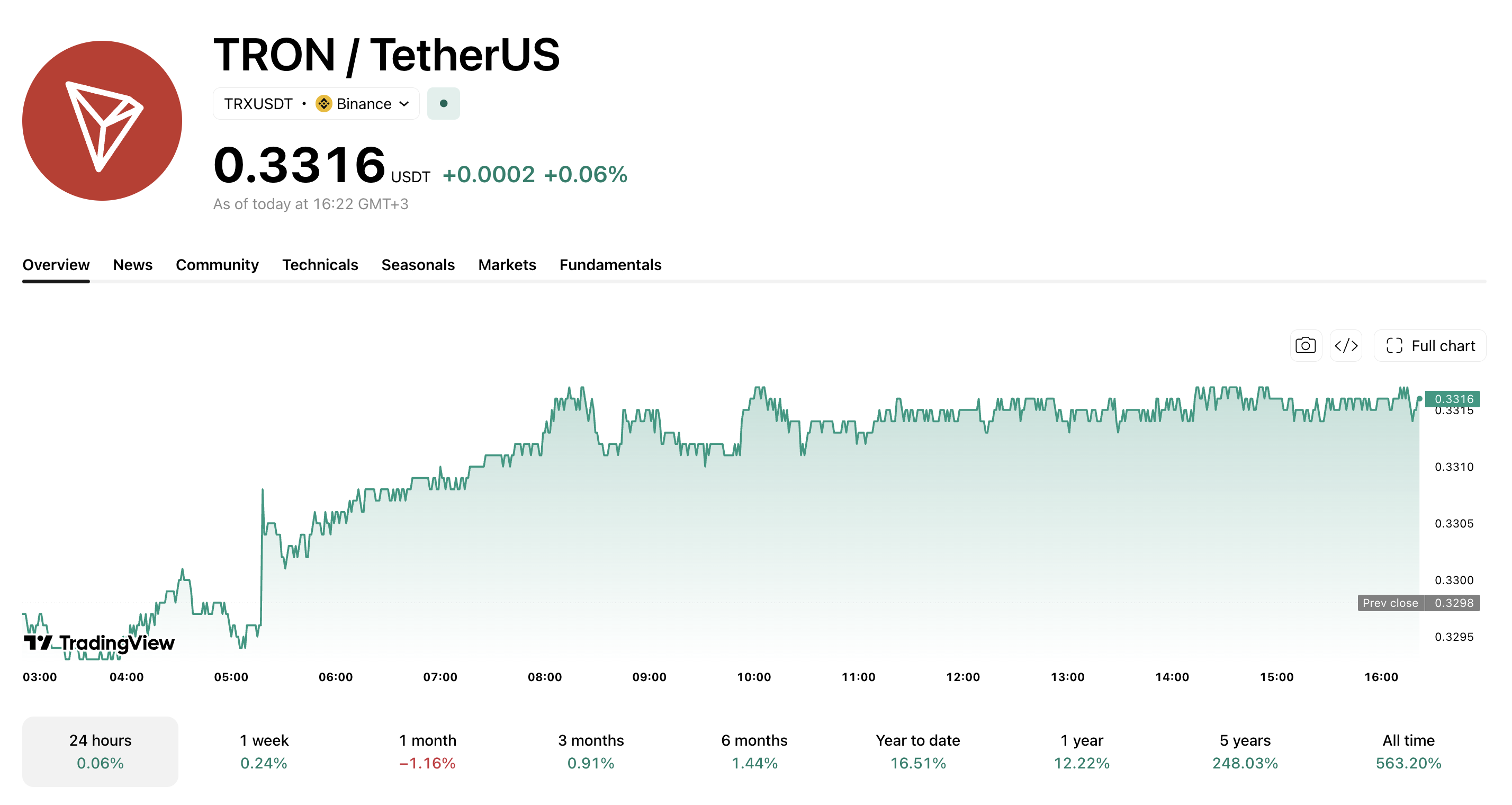
Tron is the default rail for Tether, and the numbers explain why: it holds $92.4 billion of the token, about half of all circulating supply. Exchanges credit TRC-20 deposits in roughly one minute, and the chain regularly processes more than $20 billion in daily stablecoin volume. Governance proposal #104, activated on August 29, 2025, halved the energy unit price from 210 to 100 sun, which cut transfer costs by about 50% overnight. This profile makes Tron the chain that counterparties accept most often, even where it is not the cheapest option.
Supply and Speed. Tron carries more of the token than any other chain, and its three-second block time produces practical finality in about one minute. Exchanges typically require one confirmation before crediting a deposit, which lands in 3–60 seconds depending on the venue. Claimed throughput reaches roughly 2,000 transactions per second, far above current transfer demand, and the delegated proof-of-stake design keeps block production steady around the clock.
| Metric | Tron (TRC-20) |
| Supply | $92.4B (~50% of total) |
| Block Time | ~3 seconds |
| Practical Finality | ~1 minute |
| Claimed Throughput | Up to ~2,000 TPS |
| Address Format | Starts with “T” |
| Gas Token | TRX |
Transaction Fees. A standard wallet-to-wallet transfer burns about 6.5 TRX, roughly $2.15, when the recipient already holds the token, and about 13.1 TRX, roughly $4.36, when the address has never held it. Renting energy beforehand cuts the cost to $0.86–1.30 per transfer, and staking TRX pushes the marginal cost toward zero. Exchanges charge a flat withdrawal fee of about $1.50 at Binance, which absorbs all on-chain complexity.
| Fee Type | Rate |
| Transfer to an existing address | ~6.5 TRX (~$2.15) |
| Transfer to a first-time address | ~13.1 TRX (~$4.36) |
| With rented energy | $0.86–1.30 |
| Exchange withdrawal (Binance, Oct 2026) | ~$1.50 |
Transfer-Focused Features. Tron’s energy resource model prices transfers independently of mempool congestion, so a busy hour does not raise the fee, a property Ethereum’s gas auction cannot promise. Gas-free wallet modes let users pay fees in the token itself without holding TRX, and mature compliance tooling (the issuer’s freeze function operates here) keeps exchanges comfortable with the chain. Energy rental markets add a second optimization path for businesses moving funds daily.
| Feature Area | Key Capabilities |
| Fee Predictability | Fixed energy model; no congestion spikes |
| Cost Optimization | Energy rental, TRX staking, gas-free token-fee mode |
| Acceptance | Universal exchange, wallet, and gateway support |
| Settlement Scale | $20B+ in daily stablecoin transfers |
| Compliance | Mature blacklist and freeze tooling |
What Makes Tron Different:
- Default-rail status. Half of the circulating supply sits on Tron, so the question “which chain do you accept?” most often ends with TRC-20.
- Fee stability by design. The energy model fixes transfer pricing at the protocol level instead of auctioning block space.
- Half-price era. Proposal #104 (August 2025) cut energy prices by roughly 50%, and most competing guides still quote the pre-cut figures.
Sources:
Ethereum (ERC-20)
Best for: High-value settlement, DeFi-integrated treasuries, and counterparties that prioritize finality guarantees.
Skip it if: You move small amounts frequently; fee variance and thirteen-minute finality make mainnet the wrong tool for everyday transfers.
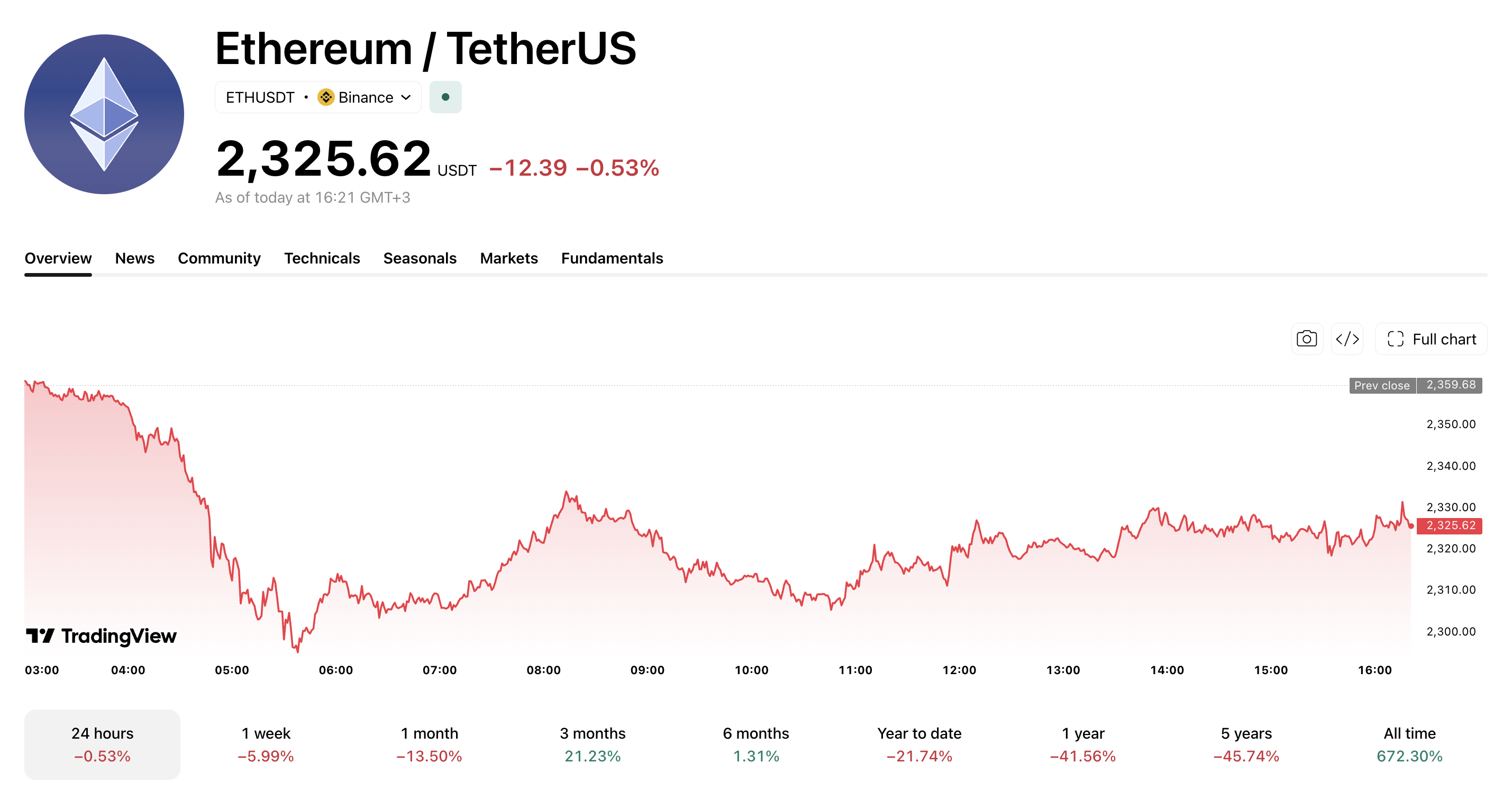
Ethereum is where the modern Tether token launched, and it still holds $73.6 billion of supply, roughly 40% of the total. It is the most decentralized chain in this comparison, with the deepest DeFi liquidity and the widest institutional recognition. The fee picture changed in 2026: median transfers measured around $0.12 in September–October 2026, with a monthly range of roughly $0.09–0.29. Variance remains structural, though: gas follows an auction, and busy periods can push the same transfer to several dollars.
Supply and Speed. Ethereum produces blocks every twelve seconds, and full finality takes about thirteen minutes, which is why merchants and gateways wait for multiple confirmations before crediting. First-tier exchanges usually release ERC-20 deposits after twelve confirmations, landing in 2–3 minutes in practice. Base-layer throughput sits around 15–30 transactions per second, with layer-2s such as Arbitrum, Base, and Optimism carrying the high-volume traffic.
| Metric | Ethereum (ERC-20) |
| Supply | $73.6B (~40% of total) |
| Block Time | ~12 seconds |
| Full Finality | ~13 minutes |
| L1 Throughput | ~15–30 TPS (L2s scale further) |
| Address Format | Starts with “0x” |
| Gas Token | ETH |
Transaction Fees. At recent gas levels, a transfer costs a median of about $0.12, roughly $0.17 to a first-time recipient, and between $0.09 and $0.29 on a typical day. Congestion spikes can lift the fee to $1–5 or more, so senders should check a gas tracker before large batches. Exchange withdrawals flatten this entirely: Binance charges about $0.50 for an ERC-20 withdrawal, currently cheaper than its TRC-20 option, because venues batch transactions on-chain.
| Fee Type | Rate |
| Median fee (Oct 2026) | ~$0.12 |
| Measured monthly range | ~$0.09–0.29 |
| Congestion spikes | $1–5+ |
| Exchange withdrawal (Binance, Oct 2026) | ~$0.50 |
Transfer-Focused Features. Settlement-grade security is Ethereum’s core argument: its validator set is the largest in this comparison, which is why OTC desks and treasury teams still clear large transfers here despite slower finality. For settlement above $100,000, Ethereum remains the best blockchain for usdt transactions that demand maximum finality guarantees. Received ERC-20 tokens plug directly into the deepest lending and exchange protocols in the industry, and the shared 0x address format extends the same wallet across a family of layer-2s where transfers cost cents. Gateways can auto-convert incoming assets into the ERC-20 version at the moment of deposit.
| Feature Area | Key Capabilities |
| Security | Largest validator set; strongest finality guarantees |
| DeFi Liquidity | Deepest lending and trading pools for arrived funds |
| L2 Extension | Cheap routes on Arbitrum, Base, Optimism |
| Institutional Use | Default OTC and treasury settlement standard |
| Gateway Conversion | Incoming assets auto-convert on arrival |
What Makes Ethereum Different:
- Settlement-grade security. No chain in this list matches its decentralization, so high-value transfers still clear here despite the wait.
- Deepest liquidity on arrival. Tokens received on Ethereum connect directly to the largest lending and exchange protocols.
- Layer-2 escape hatch. The same address format reaches rails where transfers cost cents and confirm in seconds.
Sources:
BNB Smart Chain (BEP-20)
Best for: The cheapest USDT network with universal acceptance, especially inside the Binance ecosystem.
Skip it if: Your counterparty sits outside the Binance and EVM world, or you need the deepest non-exchange liquidity after arrival.
BNB Smart Chain is the workhorse option in this comparison. After cutting block times twice in 2025 (first to 1.5 seconds in April, then to 0.75 seconds in June), BSC pairs near-instant confirmations with measured transfer fees of about $0.002. It holds $9.2 billion of Tether supply and works with every major EVM wallet out of the box. The critical caution: BEP-20 and ERC-20 share the identical 0x address format, so sending over BSC to an Ethereum-only wallet is one of the most common ways users lose funds.
Supply and Speed. BSC produces a block every 0.75 seconds, and exchanges typically credit BEP-20 deposits in under two minutes. Independent measurement of 3,598 real transfers in late September 2026 confirmed the fee figures below, with gas prices around 0.07–0.11 gwei. Claimed throughput exceeds 2,000 transactions per second, and the proof-of-staked-authority validator set keeps confirmation times consistent throughout the day.
| Metric | BNB Smart Chain (BEP-20) |
| Supply | $9.2B (~5% of total) |
| Block Time | ~0.75 seconds |
| Exchange Crediting | <2 minutes |
| Claimed Throughput | ~2,000+ TPS |
| Address Format | Starts with “0x” (identical to Ethereum) |
| Gas Token | BNB |
Transaction Fees. The median BEP-20 transfer costs roughly $0.002, and about $0.004 when the recipient address holds no tokens yet, a 500x gap versus burning TRX on Tron. Exchange withdrawals are minimal too: Binance charges about $0.01 for a BEP-20 withdrawal. The only requirement is a small BNB balance in the sending wallet to cover gas, since the chain does not accept fees in the token itself.
| Fee Type | Rate |
| Median fee | ~$0.002 |
| First-time recipient | ~$0.004 |
| Exchange withdrawal (Binance, Oct 2026) | ~$0.01 |
Transfer-Focused Features. Sub-cent fees and sub-second blocks make BSC the most practical cheap rail for recurring EVM transfers, and sponsored-transaction services can cover gas for users entirely. PancakeSwap and the wider BNB ecosystem give arrived funds an immediate trading route. The trade-off is a more centralized validator architecture than Ethereum, which most checkout flows accept, but settlement-sized transfers should weigh.
| Feature Area | Key Capabilities |
| Cost Position | Sub-cent transfers; lowest-cost universal EVM rail |
| Speed | 0.75-second blocks; <2-minute crediting at venues |
| EVM Compatibility | MetaMask, Trust Wallet, full Solidity tooling |
| Binance Integration | Native withdrawal route at ~$0.01 |
| Sponsored Transfers | Paymaster support can zero out user gas |
What Makes BNB Smart Chain Different:
- Best cost-to-acceptance ratio. Nothing this cheap is this widely supported, and nothing this widely supported is this cheap.
- The 0x trap. Its shared address format with Ethereum makes it seamless for EVM users and the top source of wrong-chain losses.
- Sub-second production. Two block-time cuts in 2025 made it one of the fastest-finalizing EVM chains, not just the lowest-cost one.
Sources:
- BscScan gas tracker
- Cryptoticker: measured BEP-20 transfer costs, Sept 27, 2026
- Binance withdrawal fee schedule
Solana (SPL)
Best for: High-frequency checkouts and micro-invoices where fractions of a cent decide the business model.
Skip it if: You need guaranteed acceptance at smaller exchanges and OTC desks, which still default to TRC-20.
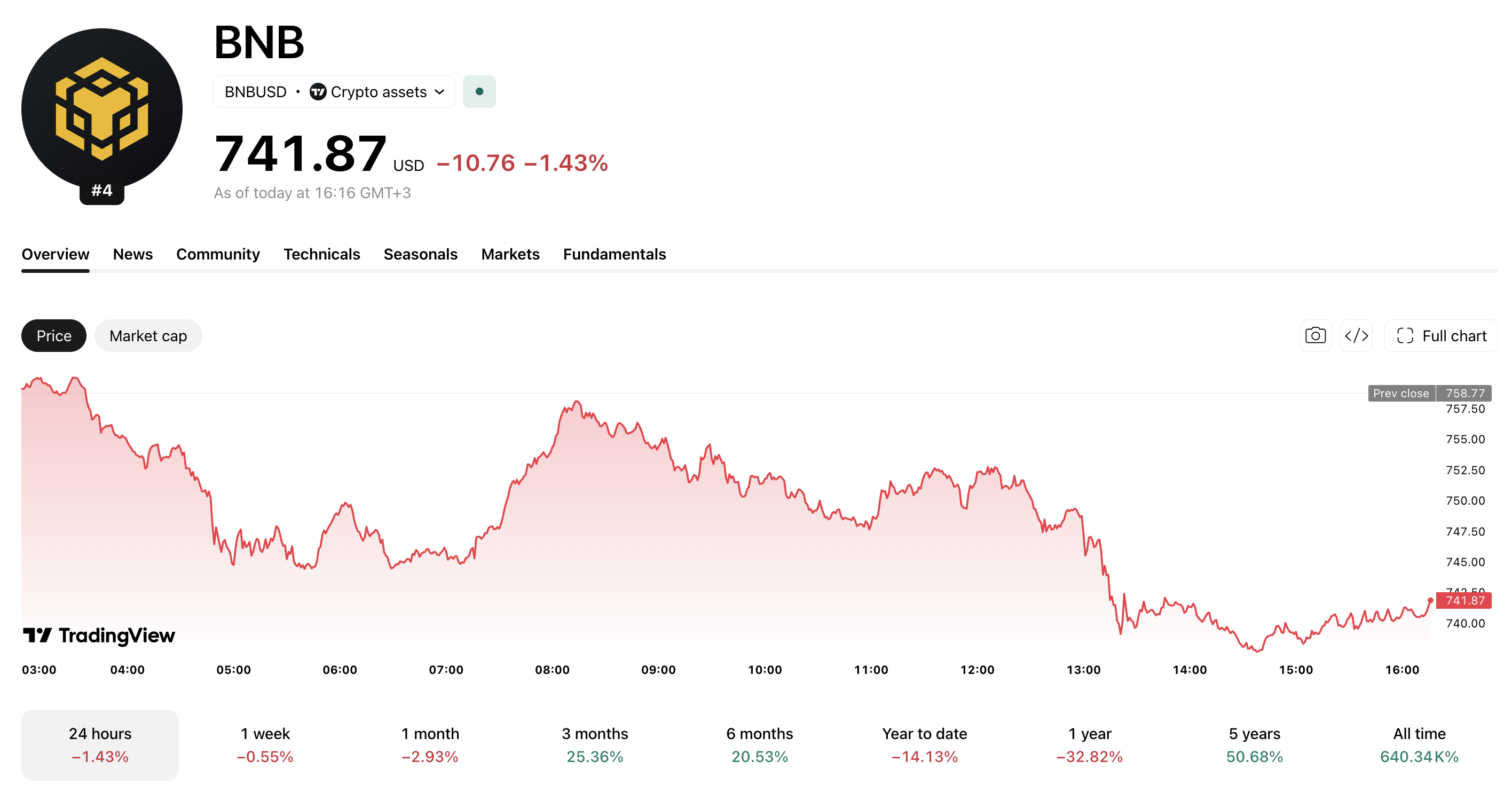
Solana is the performance outlier of this group. Slot times fell to about 250 milliseconds in September 2026, and theoretical capacity reaches tens of thousands of transactions per second, and the Alpenglow consensus upgrade is now in testing and targets finality of 100–150 milliseconds. That hardware translates directly into commercial terms: the fastest USDT network in routine use, with transfers confirming in under one second and a median fee of roughly $0.001.
Supply and Speed. Solana holds $2.7 billion of Tether across roughly 3 million holder addresses, the fastest-growing supply in this comparison. USDT transfer speed here means sub-second perceived confirmation for customers and about 12.8 seconds to cryptographic finality. The Alpenglow upgrade, tested on a community validator cluster since May 2026, targets a 100x finality improvement once activated.
| Metric | Solana (SPL) |
| Supply | $2.7B (~1.5% of total) |
| Slot Time | ~0.25 seconds |
| Full Finality | ~12.8 seconds (100–150ms targeted via Alpenglow) |
| Claimed Throughput | 50,000+ TPS |
| Address Format | Base58 string (distinct from EVM and Tron) |
| Gas Token | SOL |
Transaction Fees. The base fee is a flat 5,000 lamports, about $0.0006, and the measured median transfer costs roughly $0.001. First-time recipients add a refundable storage deposit of 0.0015–0.002 SOL, about $0.15–0.18, because a new token account must be created. Congestion priority fees can lift the total to a few cents, and Binance charges about $0.30 for an SPL withdrawal.
| Fee Type | Rate |
| Base fee | ~$0.001 (5,000 lamports) |
| First-time recipient deposit | ~$0.15–0.18 (refundable) |
| Congestion priority fee | Up to a few cents |
| Exchange withdrawal (Binance, Oct 2026) | ~$0.30 |
Transfer-Focused Features. Solana’s fee design makes cost a non-issue even for sub-dollar invoices, opening use cases like tips, pay-per-use, and micro-subscriptions that fee-heavier rails cannot serve. Tier-one venues, including Binance, Coinbase, OKX, Kraken, and Bybit, all support SPL deposits and withdrawals. Research on Q1 2026 stablecoin activity put Solana’s share of global stablecoin transfer volume at roughly 8%, the largest of any chain outside Tron and Ethereum.
| Feature Area | Key Capabilities |
| Micro-Invoice Viability | Sub-cent fees make sub-dollar settlement rational |
| Throughput | Highest sustained capacity in this comparison |
| Exchange Support | Binance, Coinbase, OKX, Kraken, Bybit |
| Upgrade Path | Alpenglow targets 100–150 ms finality |
| Growth | ~3M token holders; fastest-rising supply share |
What Makes Solana Different:
- Sub-cent economics. The flat base fee removes fee anxiety entirely; even congestion priority fees stay in the cents.
- First-time-recipient rent. New token accounts lock a refundable deposit, so bulk payouts to fresh addresses need separate budgeting.
- Fastest-growing stablecoin rail. Q1 2026 research credited Solana with roughly 8% of global stablecoin transfer volume, and issuance keeps climbing.
Sources:
- Solana documentation: fees and consensus
- Eco guide to Tether on Solana (Oct 2026)
- CryptumPay fee measurement, Sept–Oct 2026
The Open Network (TON)
Best for: Consumer transfers inside Telegram: tips, chat commerce, and remittances to users who never installed a wallet.
Skip it if: You need deep DeFi liquidity after settlement or guaranteed support outside the Telegram-centric ecosystem.
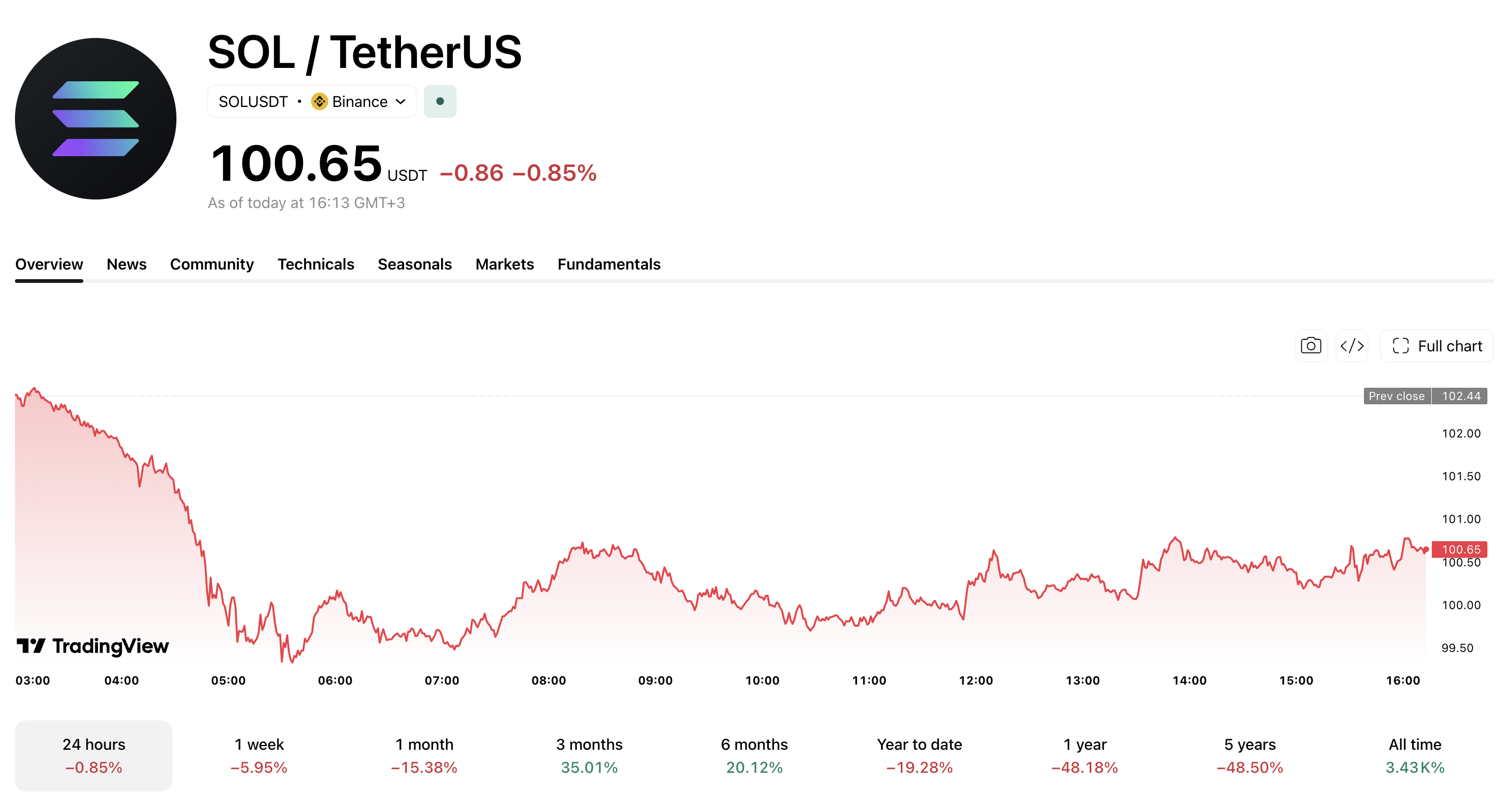
TON is the newest rail in this comparison (Tether launched the token on it only in April 2024) and the only one whose distribution channel is a chat app. Telegram’s built-in wallet exposes TON to an audience of roughly one billion users, most of whom never see the word “blockchain.” For businesses selling to Telegram-native audiences, this is the best network to send usdt with zero onboarding friction: the transfer lives inside the chat thread itself.
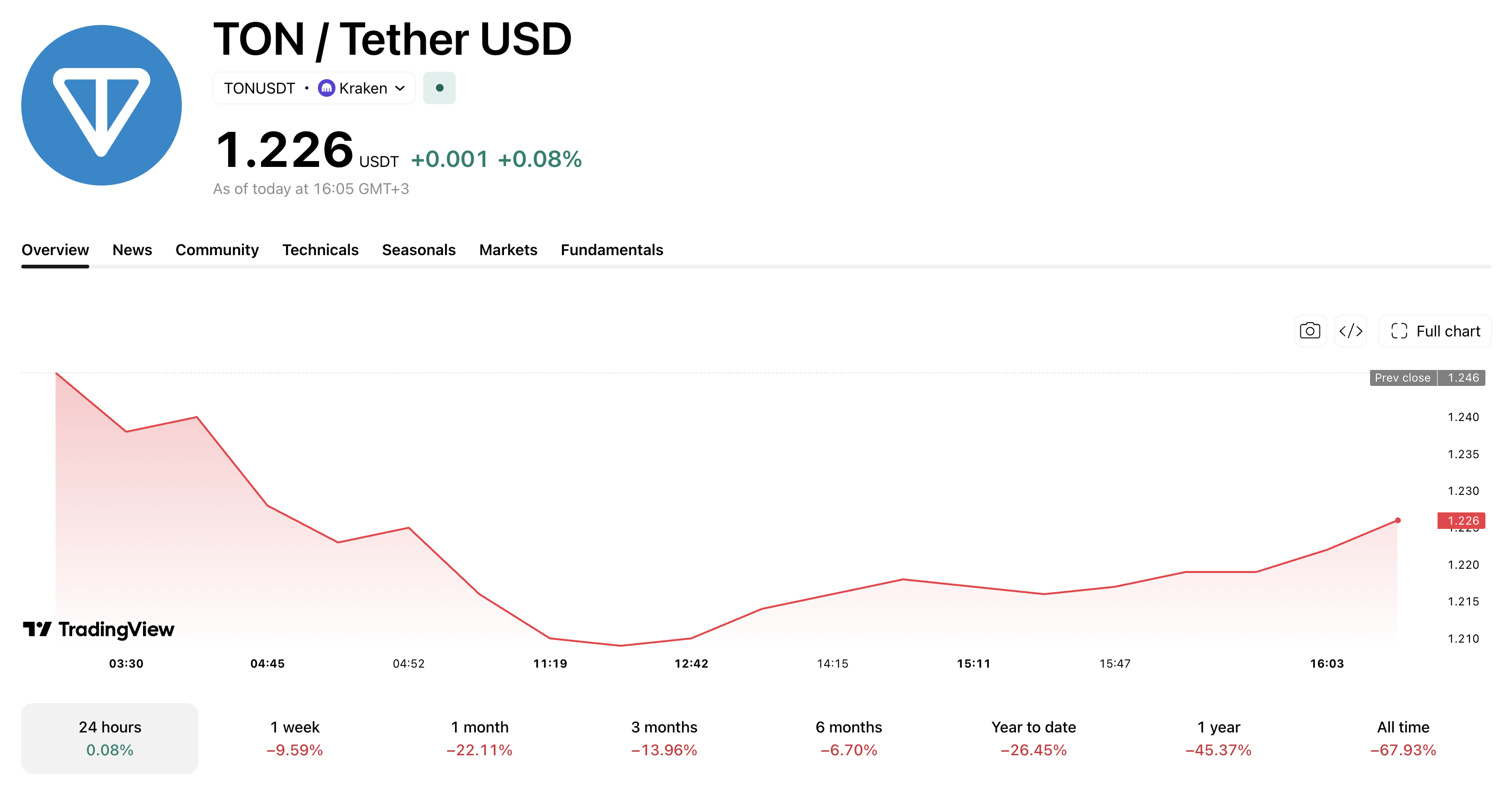
Supply and Speed. TON holds roughly $1 billion of the token depending on the tracker: the TON site cites about $1.4 billion, while third-party dashboards show $600–800 million. After the Catchain 2.0 upgrade, the chain produces blocks about every 0.4 seconds with finality near 0.6 seconds. Dynamic sharding lets it split into shardchains under load and merge back when it clears, with a verified 100,000+ TPS result in public testing.
| Metric | TON |
| Supply | ~$1B (trackers differ: $0.6–1.4B) |
| Block Time | ~0.4 seconds |
| Finality | ~0.6 seconds |
| Claimed Throughput | 100,000+ TPS (sharded, test-verified) |
| Address Format | EQ/UQ format (distinct) |
| Gas Token | TON (or the token itself via sponsored transfers) |
Transaction Fees. A standard Jetton transfer costs roughly $0.002, and independent measurement in September–October 2026 put the median near that figure. Transfers between Telegram contacts carry no fee at all, and sponsored transactions let services cover gas on the user’s behalf with fees settled in the same asset. Binance charges about $0.30 for a TON withdrawal.
| Fee Type | Rate |
| Standard fee | ~$0.002 |
| Telegram in-chat transfers | Free between contacts |
| Sponsored transactions | Supported; fees payable in the token itself |
| Exchange withdrawal (Binance, Oct 2026) | ~$0.30 |
Transfer-Focused Features. TON’s feature set is consumer-shaped rather than finance-shaped: walletless onboarding through Telegram, in-chat transfers with no fee, and settlement fast enough to feel like a messaging feature. Fixed protocol parameters price transactions instead of auctioning them, so costs stay flat at any congestion level. The trade-off is a shallow DeFi ecosystem, so arrived funds usually move to an exchange or another chain for further use.
| Feature Area | Key Capabilities |
| Distribution | Built into Telegram (~1B reachable users) |
| UX | Chat-based transfers; no wallet software required |
| Cost | Sub-cent fixed fees; free in-chat |
| Settlement | ~0.6-second finality after Catchain 2.0 |
| Scaling | Dynamic sharding for consumer-scale load |
What Makes TON Different:
- Messaging-native distribution. No other chain places a wallet for the token in front of a billion users without an install step.
- Free in-chat transfers. Telegram-to-Telegram moves cost nothing, a pricing model no standalone chain offers.
- Fixed, load-independent fees. Protocol-set pricing keeps transfer costs predictable at any congestion level.
Sources:
- TON official documentation
- Eco: Toncoin, Telegram, and Tether on TON (Oct 2026)
- Tether transparency page
How to Choose a USDT Network for Payments
The best USDT network depends on transfer size, frequency, recipient support, and withdrawal options. Use these steps to choose.
- Check recipient support. Only consider networks the recipient accepts.
- Match fees to transfer size. Under $100: BEP-20, Solana, or TON. Mid-size: Tron (~$2). High-value: Ethereum.
- Check finality. Tron settles in ~1 minute; Ethereum in ~13 minutes.
- Account for hidden fees. Tron energy, Solana token accounts, and TON jetton wallets add costs.
- Compare network costs. USDT transfer fees vary significantly across chains.
- Plan the exit. Choose a network with affordable exchange, off-ramp, or onward transfer options.
- Test first. Send 5-10 before larger transfers.
Risk note: Tether can freeze addresses, wrong-chain transfers may be unrecoverable, and transfers generally require native gas tokens unless sponsored or gas-free options are available.
USDT Network Fees Compared
Cost structures vary more than most senders expect. The tether network fee is only one line in the total; exchange withdrawal charges and first-time-recipient costs decide the real price of a transfer.
| Chain | Typical Fee | Exchange Withdrawal* | Cost of a $1,000 Transfer |
| Tron (TRC-20) | ~2.15burn/<1.30 rented | ~$1.50 | ~0.2% burn / <0.15% rented |
| Ethereum (ERC-20) | ~$0.12 median | ~$0.50 | ~0.05% |
| BNB Smart Chain (BEP-20) | ~$0.002 | ~$0.01 | ~0.001% |
| Solana (SPL) | ~0.001(+~0.18 first-time) | ~$0.30 | ~0.03% |
| TON | ~$0.002 | ~$0.30 | ~0.03% |
Exchange withdrawal fees per Binance’s public fee page, October 8, 2026; other venues differ. On-chain fees are medians from third-party measurements, September 22–October 21, 2026, and move with coin prices and protocol parameters. Verify current fees before every transfer.
Total Cost Analysis
Tron: The highest raw fee in this group, but the most optimization paths: energy rental cuts it below $1.30, TRX staking pushes marginal cost toward zero, and the fee never spikes with congestion. Exchanges charge about $1.50 flat, which often beats self-custody.
Ethereum: The calm 2026 gas market made ERC-20 transfers historically cheap at a ~$0.12 median, but variance is structural. Venues batch transactions, so exchange-side withdrawals (about $0.50) currently undercut TRC-20.
BNB Smart Chain: The cheapest network for usdt transfer among universally accepted rails, at sub-$0.01 end to end when both sides support it.
Solana: The cheapest way to send usdt in absolute terms for routine transfers; the ~$0.18 first-time deposit only matters when paying many brand-new recipients.
TON: Sub-cent fixed fees plus genuinely free in-chat transfers, with sponsored transactions removing the gas-token requirement entirely.
Acceptance-First vs Speed-First Networks
Among the types of USDT network available in 2026, the five chains in this comparison split into two broad categories. Your choice depends on whether transfers must reach the widest possible set of counterparties or the cheapest possible settlement.
Acceptance-first (liquidity and universal rails):
- Tron
- Ethereum
Acceptance-first chains carry the majority of the supply, so counterparties rarely need to swap rails. For cross-border transfers to arbitrary recipients, start here.
Speed-first (cost and throughput):
- BNB Smart Chain
- Solana
- TON
Speed-first chains settle in under two minutes for fractions of a cent and enable use cases (micro-invoices, in-chat transfers, high-frequency checkout) that acceptance-first rails cannot serve economically.
When to Choose Each USDT Network: Decision Framework
Match a chain to your ticket size, counterparty, and technical setup. The best usdt network for a given transfer is the one whose strengths cover that transfer’s weakest point.
Choose Tron (TRC-20) if you:
- Need broad wallet and exchange support
- Send regular remittances
- Prefer predictable ~$2 fees
- Need strong OTC liquidity
Choose Ethereum (ERC-20) if you:
- Settle high-value transfers
- Prioritize security and finality
- Use DeFi lending and trading
- Need competitive exchange withdrawal fees
Choose BNB Smart Chain (BEP-20) if you:
- Prioritize low transfer costs
- Both parties support BEP-20
- Use Binance for ~$0.01 withdrawals
- Prefer EVM and MetaMask compatibility
Choose Solana (SPL) if you:
- Send frequent or small payments
- Want ~$0.001 transfer fees
- Need sub-second confirmations
- Have confirmed recipient exchange support
Choose TON if you:
- Serve Telegram users
- Want simple in-app transfers
- Need free contact-to-contact transfers
- Prefer ~0.6-second settlement
- Operate in Telegram-heavy markets
Want to Accept USDT Instead?
Every chain above shows the sender side of a Tether transfer. If you run a store, service, or platform, the mirror image is offering the same option at your own checkout, and a gateway handles the multi-chain complexity for you.
NOWPayments
Best for: Businesses accepting Tether and 30+ stablecoins with integrated payments, conversions, balances, and payouts.
Skip it if: You need a fiat-only processor.
NOWPayments is a crypto payment gateway providing acceptance, treasury, payouts, monetization tools, and business support run in one place. The platform is custodial by default, so confirmations, rate locking, and outbound transfers are handled internally without an in-house blockchain team. A merchant’s customers can pay in 300+ digital assets across chains while balances settle in the currency the business chooses. High-volume stores, SaaS platforms, marketplaces, and creator operations are the typical fit.
Stablecoin Support. Pegged assets sit at the center of the platform rather than at the edge of a long speculative list. A merchant enables both major dollar stablecoins across several chains through one integration, and confirmation with optional conversion happens automatically in the background. Fiat on- and off-ramps run through licensed partners, so customers can also pay in familiar currencies while the business receives digital assets.
| Feature | NOWPayments |
| USDT | ✅ |
| USDC | ✅ |
| Stablecoins | 30+ |
| Chains | TRC20, ERC20, BEP20 + more |
| Other digital assets | 350+ |
Integration Options. An API serves custom stacks, while ready plugins cover major e-commerce platforms such as WooCommerce and Magento. Invoices handle billing scenarios that need documents, and widgets with buttons fit simple pages without development work. A web-based point of sale covers physical locations, and donation tools serve creators and nonprofits.
| Integration | Available |
| API | ✅ |
| Invoices | ✅ |
| Plugins | ✅ |
| Widget | ✅ |
| Buttons | ✅ |
Business Infrastructure. The ecosystem extends past the deposit: mass payouts handle salaries, affiliate commissions, and creator rewards through one API, with email delivery reaching recipients in under 1 second. Standard fees start at 1% for single-currency deposits and 1.5% for multi-currency, with partnership rates down to 0.3%; conversions cost 0.5%, outgoing transfers carry no service fee, and ChangeNOW Pro payouts ride on a $0 on-chain fee. Setup, dedicated support, and account optimization are free, and 99% of transactions confirm within one minute.
New partners can also start with zero network fees on USDT (TRC-20) deposits for their first 60 days by activating Custody, saving roughly 60% on the standard on-chain fee. The promotion applies through any integration solution and covers industries from iGaming and SaaS to e-commerce, trading platforms, and freelancers.
| Area | Capabilities |
| Acceptance | Multi-chain deposits, auto-conversion, fixed rate |
| Payouts | Mass payouts, email payouts (<1 second) |
| Conversions | 0.5% exchange fee |
| Balances | Custodial storage, scheduled withdrawals |
| Treasury | Acceptance and payout workflows in one dashboard |
| Special offer | Zero TRC-20 network fees for 60 days (new partners, Custody) |
What Makes NOWPayments Different:
- Full ecosystem. Deposits, conversions, balances, and outgoing transfers live in one place, with affiliate monetization on top.
- Stablecoin-first. Built around the two major dollar tokens and 30+ pegged assets across chains, with volatility shielded by instant conversion.
- Operations-ready. Under-one-minute settlement, sub-second email payouts, personal account managers, and 24/7 human support.
Sources:
- Accept Tether: official coin page
- How to send USDT mass payouts
- NOWPayments Launches Zero Network Fees for New Partners on USDT TRC20 Deposits Offer
- Zero network fees on TRC-20 deposits for new partners